

When you’re feeling burned out, knowing where to begin can make things feel more manageable.
You may be wondering whether you’re dealing with everyday stress, chronic stress, burnout, or something else entirely.
The good news is that you don’t have to figure it out alone. Trusted, practical resources can help you better understand what you’re experiencing and identify small, meaningful steps toward feeling better.
Below are some of my favorite books, podcasts, apps, self-assessments, and educational resources. Where possible, I’ve prioritized tools grounded in research or developed by respected experts and organizations.
Think of this guide as your burnout recovery toolkit: a collection of resources you can return to whenever you need support, perspective, or a place to begin.
In This Guide
Whether you want to better understand burnout or find practical tools to support recovery, here’s what you’ll find:
- Start Here: Assess and Understand Burnout
- Quizzes and Self-Assessments
- Podcasts and Videos
- Books
- Apps for Stress Relief and Burnout Recovery
- Organizations and Educational Resources
- Resources for Parents and Caregivers
- Small Habits That Support Recovery
Start Here: Assess and Understand What Burnout Really Is
Burnout is more than simply feeling stressed or tired after a busy week. It develops over time when chronic stress isn’t adequately managed, often leaving you feeling emotionally exhausted, mentally drained, and disconnected from work or life.
If you’re wondering whether burnout may be affecting you, begin with these resources:
- Understand what burnout is. Read the World Health Organization’s overview of burnout to learn about its three primary dimensions: exhaustion, increased mental distance or cynicism related to work, and reduced professional effectiveness.
- Learn how burnout affects the brain. Read Feeling Foggy and Fried? How Burnout Affects the Brain to understand why burnout can affect focus, memory, and decision-making.
- Recognize the warning signs. Read Signs of Burnout at Work You Shouldn’t Ignore to learn how burnout can show up in your energy, mood, motivation, and ability to function at work.
Then, explore the resources below based on what you need most.
Quizzes/Self-Assessments


Self-assessments can help you recognize patterns and reflect on how stress may be affecting you. They cannot diagnose burnout or a mental health condition, but they can offer a useful starting point.
Maslach Burnout Inventory (MBI)
One of the most widely used tools for assessing burnout in research and workplace settings. The full assessment is licensed rather than offered as a free public quiz and measures areas including emotional exhaustion, cynicism or detachment, and professional effectiveness.
Mind Tools Burnout Self-Test
A free online self-assessment designed to help you reflect on whether you may be experiencing burnout or be at risk for developing it.
The Fried Quiz
A brief multiple-choice quiz that explores whether burnout may be contributing to how you feel and offers suggested next steps based on your results.
Living Into Our Values by Brené Brown
A free exercise that helps you identify the values that matter most to you. Clarifying your values can make it easier to recognize when ongoing stress may be connected to a disconnect between how you are living and what matters most.
Podcasts and Videos

Sometimes it helps to hear someone put into words what you’re experiencing. These podcasts and videos offer expert insights, relatable conversations, and practical strategies for understanding and recovering from burnout.
PATH Positive Approaches To Health – From Burnout to Balance with Patricia Bannan
In this conversation, I share practical nutrition, lifestyle, and habit-based strategies for recognizing burnout, supporting recovery, and building greater resilience in everyday life.
FRIED. The Burnout Podcast
Hosted by burnout coach Cait Donovan, this podcast explores the physical, emotional, and practical sides of burnout through expert interviews and real-life conversations.
Why We’re Burned Out and What to Do About It
In this episode of the American Psychological Association’s Speaking of Psychology podcast, pioneering burnout researcher Christina Maslach, PhD, explains what causes workplace burnout and what individuals, employers, and society can do to address it.
The Cure for Burnout—Hint: It Isn’t Self-Care
Authors Emily and Amelia Nagoski discuss common signs of burnout, the body’s stress-response cycle, and practical ways to release accumulated stress.
The Happiness Lab
Hosted by Yale professor Laurie Santos, PhD, this podcast explores the science of happiness, resilience, and well-being through research-informed conversations and practical insights.
Books

Books can offer a deeper understanding of why burnout happens, along with practical tools for recovery. These selections explore burnout from several perspectives, including workplace culture, the stress response, mindset, nutrition, lifestyle habits, and mindfulness.
The Burnout Challenge: Managing People’s Relationships with Their Jobs by Christina Maslach and Michael P. Leiter
Written by two leading burnout researchers, this book explains how workplace conditions contribute to burnout and offers research-informed strategies for creating healthier, more sustainable relationships with work.
Burnout: The Secret to Unlocking the Stress Cycle by Emily Nagoski and Amelia Nagoski
A science-informed, accessible book written for women that explores how chronic stress affects the body and offers practical strategies for working through the stress-response cycle.
The Burnout Solution: 7 Steps from Exhausted to Extraordinary by Sharon Grossman
Written by psychologist and executive coach Sharon Grossman, this practical guide offers a seven-step framework for understanding burnout, restoring energy, building resilience, and creating a more fulfilling life.
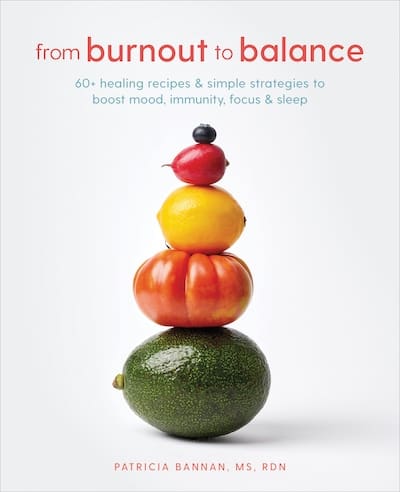
From Burnout to Balance by Patricia Bannan
A practical guide to using nutrition, movement, sleep, mindfulness, connection, and other realistic lifestyle strategies to manage stress, restore energy, and build resilience. It also includes more than 60 nourishing recipes and an appendix with over 30 trusted burnout resources.
A Mindfulness-Based Stress Reduction Workbook by Bob Stahl and Elisha Goldstein
A step-by-step workbook featuring mindfulness practices and reflective exercises designed to help readers recognize stress-promoting patterns and respond to difficult experiences with greater awareness and calm.
Apps for Dealing with Burnout

You don’t need hours of meditation to create a restorative pause in your day. A few minutes of guided breathing, mindfulness, or relaxation may help you slow down, ease tension, and reconnect with what you need.
These apps can support stress management and healthy routines, but they are not a substitute for professional care or for addressing the circumstances contributing to burnout.
Insight Timer
Offers a large library of free guided meditations, breathing practices, sleep tracks, music, and mindfulness exercises from teachers around the world.
Calm
Features guided meditations, breathing exercises, Sleep Stories, relaxing music, and other tools designed to support relaxation and sleep.
Dario Mind
Formerly Twill Therapeutics, Dario Mind offers guided activities and skill-building programs designed to help users manage stress, shift unhelpful thought patterns, and develop healthier everyday habits.
Headspace
Provides beginner-friendly guided meditations, mindfulness exercises, sleep support, and programs focused on stress, focus, and emotional well-being.
Organizations & Educational Resources

These organizations and educational resources offer additional guidance for understanding burnout, managing stress, and recognizing the workplace and cultural conditions that can contribute to chronic overwhelm.
HelpGuide: Burnout Symptoms, Treatment, and Coping Strategy Tips
A practical, easy-to-read overview of burnout, including common signs, how burnout differs from stress and depression, possible causes, and strategies that may support recovery.
Anxiety and Depression Association of America: Managing Stress and Anxiety
Evidence-informed information and practical strategies for managing stress and anxiety, along with educational resources on workplace anxiety, sleep, depression, and related mental health concerns.
U.S. Surgeon General’s Framework for Workplace Mental Health and Well-Being
A research-informed framework outlining five essentials for healthier workplaces: protection from harm, connection and community, work-life harmony, mattering at work, and opportunities for growth.
Gallup: How to Prevent Employee Burnout
A practical guide explaining the workplace conditions that contribute to burnout and the steps managers and organizations can take to reduce it and support employee well-being.
Women in the Workplace by McKinsey & Company and LeanIn.Org
An annual research report examining women’s experiences at work, including burnout, leadership, advancement, caregiving, workplace culture, and the organizational barriers that affect well-being.
Resources for Parents and Caregivers

Parenting and caregiving can bring sustained emotional, mental, and logistical demands. These resources offer education, support, and practical guidance for parents experiencing chronic stress, overwhelm, or perinatal mental health concerns.
Parents Under Pressure: The U.S. Surgeon General’s Advisory
An evidence-informed overview of the stressors affecting parents and caregivers, along with recommendations for families, communities, workplaces, and policymakers.
Postpartum Support International
Provides education, support groups, a provider directory, and specialized resources for pregnancy, postpartum depression, anxiety, grief, loss, and other perinatal mental health concerns.
Psyched Mommy
A psychologist-led platform offering education and practical tools related to maternal mental health, mom guilt, emotional regulation, boundaries, relationships, and the transition to motherhood.
Small Habits That Support Recovery
Resources can help you understand burnout, while small, supportive habits can help restore some of the physical and emotional resources that chronic stress depletes.
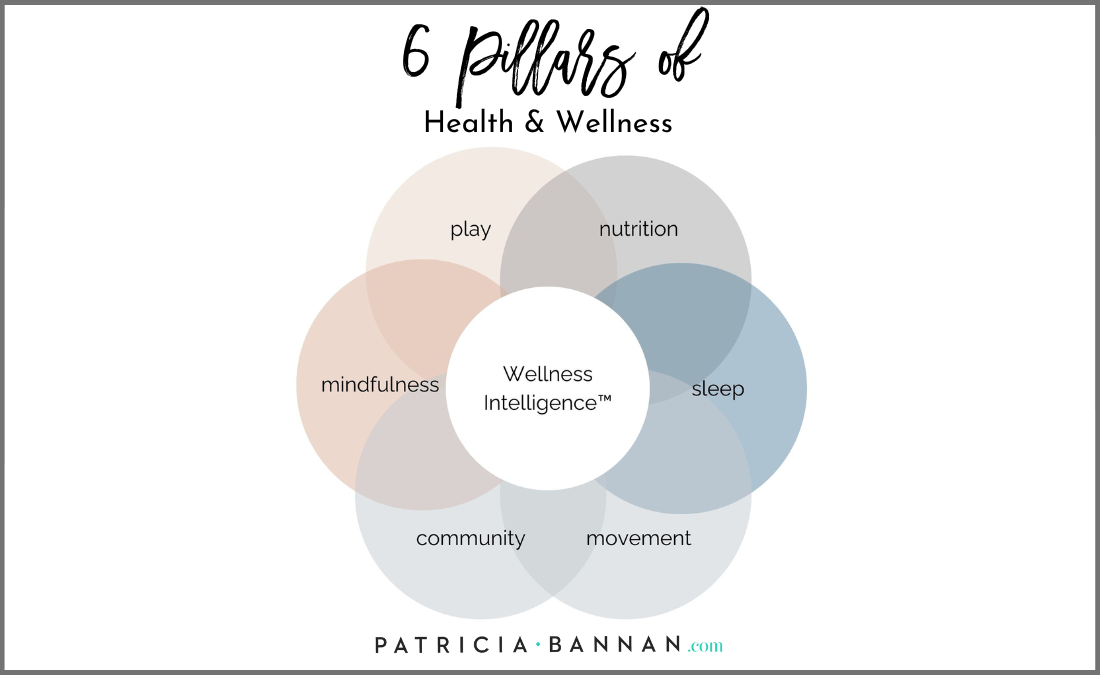
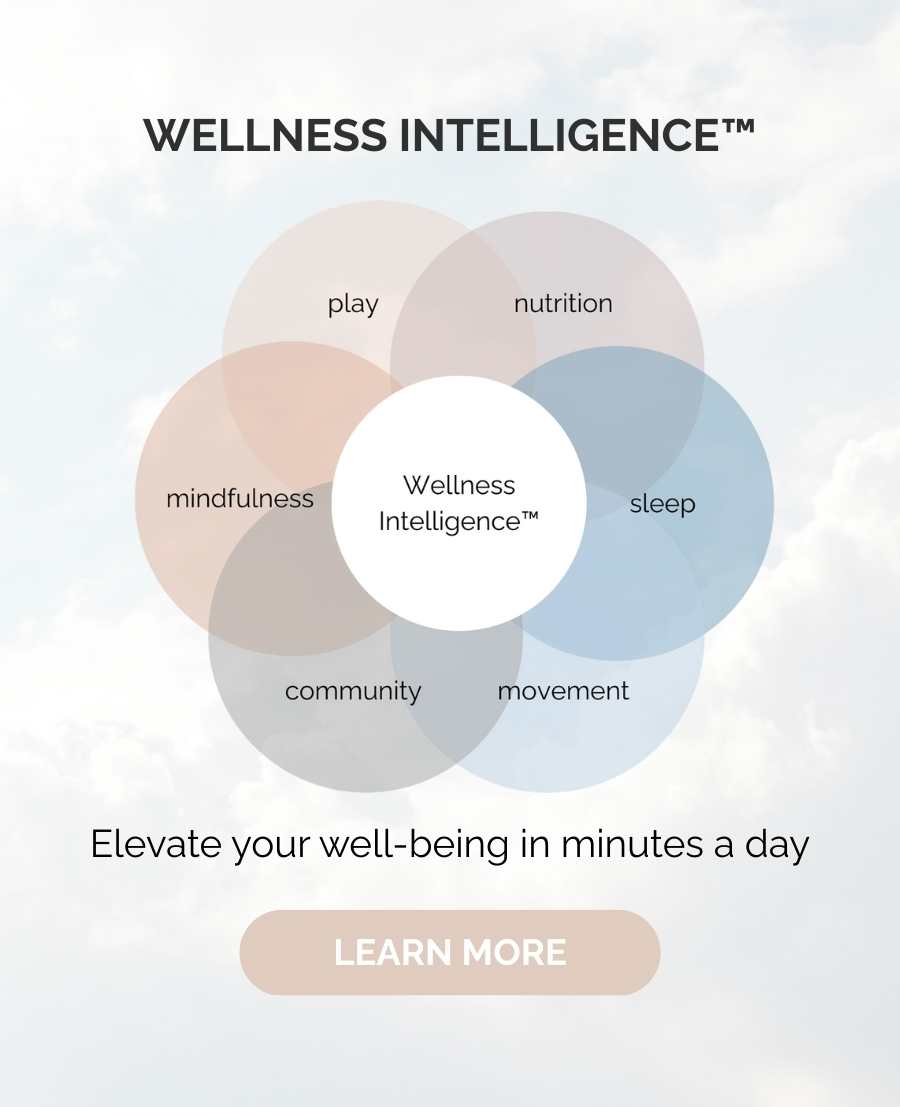
The six pillars of my Wellness Intelligence™ approach provide a simple, holistic framework for supporting resilience and well-being:
Nutrition: Nourish your body with balanced meals and snacks that support steady energy, mental clarity, and overall health.
Sleep: Create consistent sleep routines that give your body and brain an opportunity to rest and recover.
Mindfulness: Build intentional pauses into your day through deep breathing, meditation, journaling, time in nature, or simply noticing the present moment.
Community: Stay connected with supportive people who can offer encouragement, perspective, practical help, and a sense of belonging.
Movement: Find enjoyable, realistic ways to move your body that support your physical and emotional well-being.
Play: Make room for hobbies, creativity, laughter, and activities you enjoy simply because they help you feel more like yourself.
No single pillar is the answer on its own, and supportive habits cannot fully compensate for an environment that is chronically overwhelming or unsustainable. Recovery may also require rest, professional support, stronger boundaries, changes at work or home, and help from the people around you.
Together, these six pillars can provide a supportive foundation for greater energy, resilience, and well-being.
One Small Step Is Enough
When you’re feeling burned out, resist the pressure to overhaul everything at once. Choose one manageable place to begin: take a self-assessment, listen to a podcast, try a few minutes of guided breathing, or reach out to someone you trust.
Recovery rarely happens all at once. Small, consistent steps can make a meaningful difference over time, especially when paired with the support and broader changes you need.
For more practical nutrition and lifestyle strategies, From Burnout to Balance includes additional tools, worksheets, more than 60 nourishing recipes, and over 30 trusted burnout resources.
When to Seek Additional Support
Burnout can share symptoms with depression, anxiety, sleep disorders, and other physical or mental health concerns. If your symptoms are persistent, worsening, interfering with daily life, or accompanied by significant anxiety, depression, hopelessness, or thoughts of self-harm, reach out to a healthcare provider or licensed mental health professional.
For immediate crisis support in the United States, call or text 988 to connect with the 988 Suicide & Crisis Lifeline.
Editor’s note: This article was originally published in April 2023 and updated in July 2026 to reflect current resources and recommendations.



 Order Now