
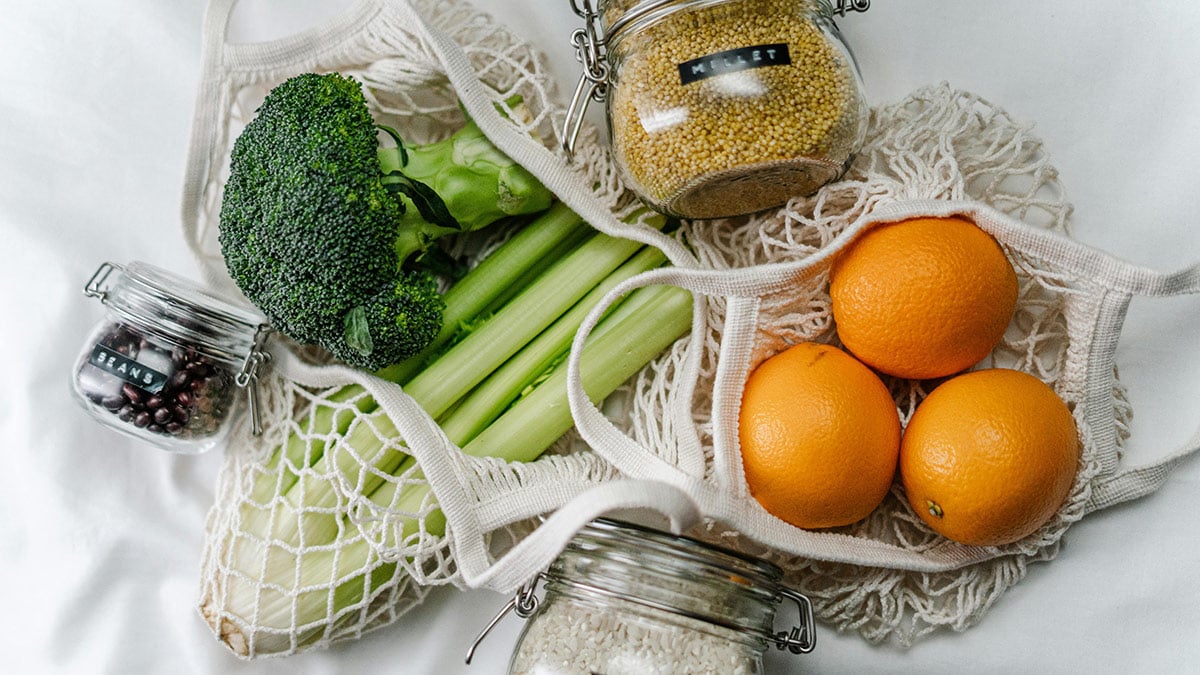
Here are 8 practical ways to eat more sustainably without adding more overwhelm to your life.
April is Earth Month, and one of the most meaningful places many of us can start is the kitchen.
The way we eat affects our health, our grocery bills, and the environment. In the U.S., USDA estimates that 30 to 40 percent of the food supply goes uneaten, which makes food waste one of the clearest places where everyday habits can add up.
The good news is that sustainable eating does not have to be extreme. It’s not about doing everything perfectly or adding one more stressful thing to your plate. In fact, EPA’s current Wasted Food Scale makes it clear that preventing food waste comes first, ahead of composting and other downstream solutions. So rather than focusing on trendy swaps, these are the habits that matter most right now.
1. Plan your meals, but keep it flexible

Meal planning works best when it is simple. The version that tends to stick is not a perfectly color-coded spreadsheet. It is knowing what you already have, what needs to be used first, and what two or three meals you can build from there.
Before you shop, do a quick kitchen check. Look in the refrigerator, freezer, and pantry first, make a short use-first list, then fill in the gaps. EPA also recommends checking what you already have before shopping, planning meals for the week, and buying only what you realistically need.
2. Learn what date labels actually mean

This is one of the most underrated waste-reduction habits. Many people still treat “best by” or “best if used by” like a hard expiration date, when in most cases those labels are about quality, not safety.
FDA says confusion over date labeling accounts for an estimated 20 percent of consumer food waste. Except for infant formula, manufacturers generally are not required by federal law to put quality-based date labels on packaged foods, and FDA and USDA have backed “Best if Used By” as the clearest quality-focused phrase.
If something is nearing its date and you are not going to use it in time, move it to the front of the fridge or freeze it now. And if a food is technically past its quality date, check for actual signs of spoilage before tossing it automatically.
3. Embrace frozen foods
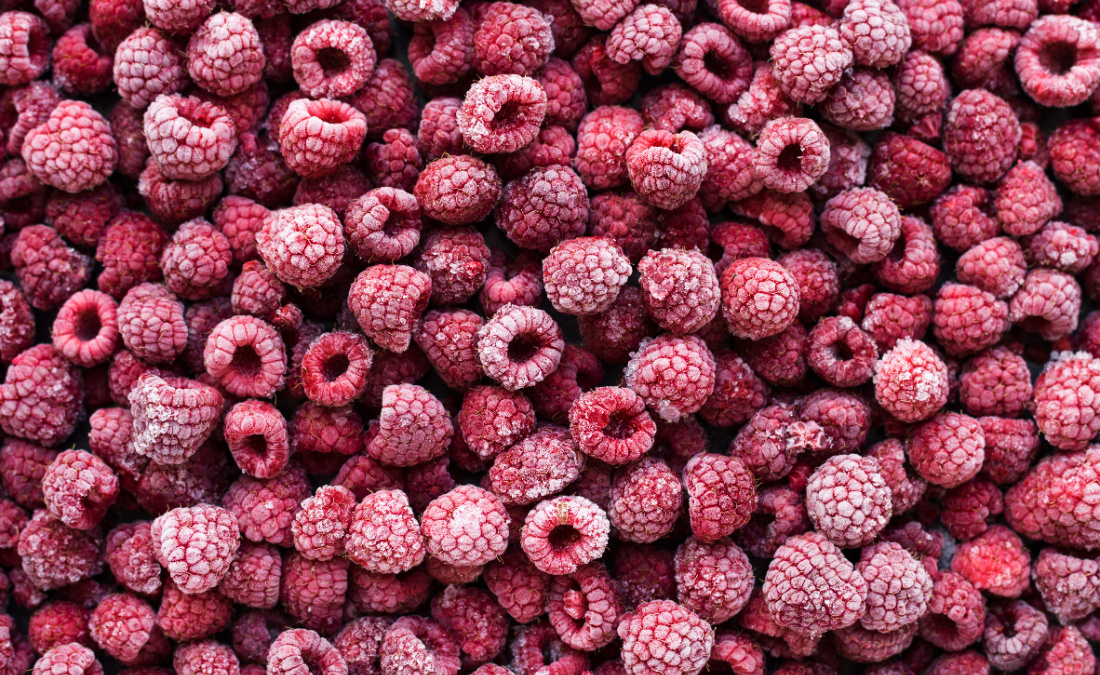
Frozen food deserves a bigger role in the sustainability conversation. A Cornell review and meta-analysis found that frozen foods are generally wasted less than their fresh counterparts at both the retail and consumer levels, with one of the clearest advantages showing up in fruits and vegetables.
Frozen foods can also be nutritionally solid. The Academy of Nutrition and Dietetics notes that fruits and vegetables are often picked at peak ripeness and frozen quickly, which helps preserve nutrients and flavor.
And the consumer behavior is moving in that direction. In a 2026 AFFI/FMI shopper survey, 37 percent of shoppers said they use frozen food specifically to help reduce food waste, and 76 percent said they combine fresh and frozen ingredients in the same meal. That is industry survey data, but it lines up with the broader evidence that frozen foods can be a practical waste-reduction tool.
In real life, this can be as simple as keeping a few versatile staples on hand: plain frozen vegetables, berries, edamame, fish, and cooked grains. Frozen spinach can disappear into eggs or pasta, berries can go into oatmeal or smoothies, and shelled edamame works in grain bowls, soups, and stir-fries. When possible, choose options without heavy sauces or added sugar.
4. Organize and store groceries so good food gets eaten

A lot of food waste is really a storage problem. When produce is buried in a drawer or ripens too quickly next to the wrong foods, it gets forgotten.
EPA recommends separating ethylene-producing produce such as apples, bananas, pears, and avocados from more sensitive produce, using proper storage practices, and labeling frozen items with contents and dates.
In practice, move older items to the front when you unpack groceries, wash or prep produce you know you will use, and make the foods that need to be eaten easiest to see and grab. Small visibility shifts can make a real difference in what actually gets used.
5. Treat leftovers like ingredients

This is one of the easiest mindset shifts to make. Leftovers do not have to mean eating the exact same meal again. They can simply become the building blocks for the next meal.
Roasted vegetables can turn into tacos, grain bowls, or a frittata. Leftover chicken can become soup, wraps, or quesadillas. Cooked rice, beans, and soup all freeze well in meal-size portions. EPA specifically recommends using your freezer for bread, sliced fruit, meat, and leftovers you will not eat in time.
6. Add more plant foods to your routine
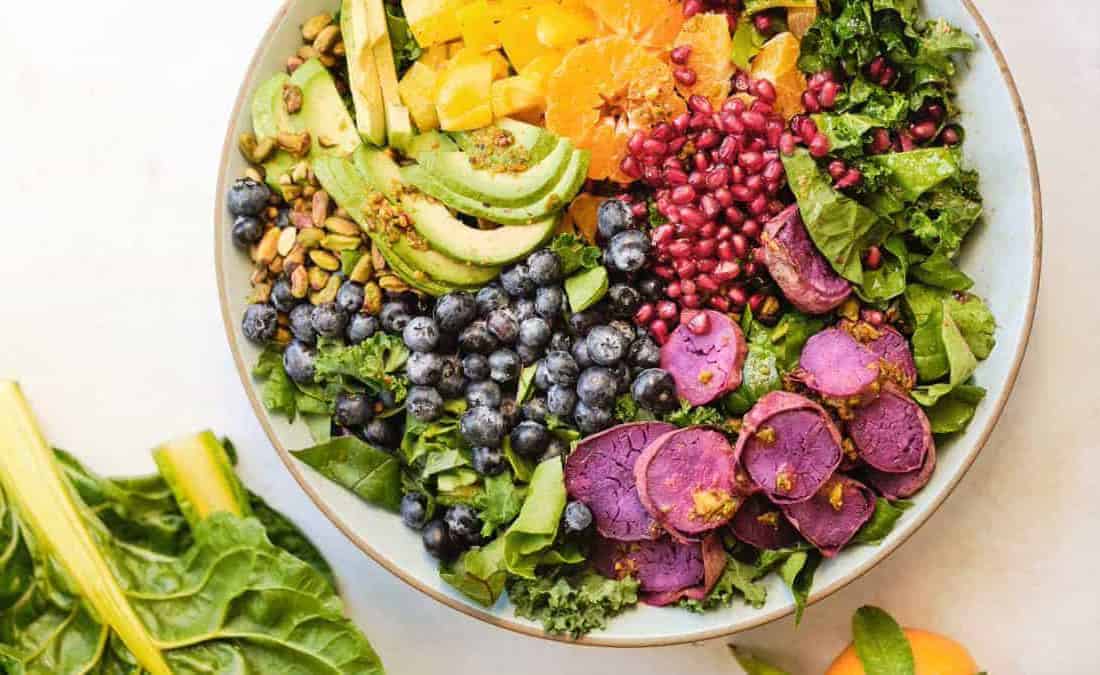
Eating more plant foods is one of the most practical ways to support both personal health and a more sustainable food system. Foods like beans, lentils, tofu, edamame, nuts, seeds, whole grains, fruits, and vegetables can add fiber, important nutrients, and variety to meals, while also helping diversify protein choices over the course of the week.
That does not mean you need to cut out meat or overhaul the way you eat overnight. For many people, a more realistic approach is simply building in a few more plant-forward meals or blending plant proteins into familiar favorites.
In practice, that can look like adding lentils to chili or pasta sauce, making a bean-based soup once a week, tossing edamame into stir-fries and grain bowls, or trying tofu or tempeh in a meal you already enjoy. The goal is not perfection or restriction. It is finding a few satisfying, nourishing options that make healthy eating feel easier, more flexible, and more doable in real life.
7. Use more of what you buy, including the not-so-perfect stuff

A more sustainable kitchen often starts with seeing food differently. That can mean buying imperfect produce that is still perfectly good to eat, using broccoli stems instead of tossing them, saving herb stems for soups or sauces, zesting citrus before it dries out, or turning vegetable scraps into stock.
EPA notes that imperfect produce may have cosmetic flaws but is still safe and nutritious, and the agency’s Wasted Food Scale places upcycling food higher than composting because it keeps more value in the food system.
In practice, check the reduced section at the store, buy the produce that needs a plan, and use it within a day or two in soups, sauces, smoothies, roasting trays, or lunchbox snacks. Sometimes the most sustainable food is simply the food that gets eaten.
8. Compost what you truly cannot use

Composting matters, but it is not the first step. Prevention comes first. Once scraps are truly unavoidable, composting is far better than sending them to landfill.
EPA’s current framework ranks preventing wasted food above composting. And EPA also says food is the single most common material sent to landfills in the U.S. EPA further estimates that wasted food is responsible for 58 percent of landfill methane emissions to the atmosphere.
In practice, compost fruit and vegetable scraps, eggshells, coffee grounds, and tea bags if your city, building, or farmers’ market offers collection. If not, even keeping a freezer bag of scraps for a weekly drop-off can make composting much more realistic.
Start with one thing
You do not need to do all eight. Pick the one that fits your life right now. Maybe it is learning what date labels actually mean. Maybe it is keeping more frozen vegetables on hand. Maybe it is getting better about using leftovers before ordering takeout.
To me, this is part of wellness intelligence: creating simple, supportive habits that are good for your health, helpful for the planet, and realistic enough to keep doing even during a busy week. When those habits also reduce stress, simplify meals, and make life feel a little more manageable, they are much more likely to stick.
References
- https://www.usda.gov/about-food/food-safety/food-loss-and-waste
- https://www.epa.gov/sustainable-management-food/wasted-food-scale
- https://www.epa.gov/recycle/preventing-wasted-food-home
- https://www.fda.gov/food/consumers/how-cut-food-waste-and-maintain-food-safety
- https://ecommons.cornell.edu/server/api/core/bitstreams/54979bd6-8422-45c2-b943-b5ac8e619376/content
- https://www.eatright.org/food/planning/smart-shopping/frozen-foods-convenient-and-nutritious
- https://affi.org/americas-rethinking-meal-planning-new-report-finds-frozen-foods-becoming-a-kitchen-essential



 Order Now