

Busy seasons, shorter days, and everyday stress can dim your mood. Here are simple, science-backed ways to lift your spirits and support calm, joy, and balance year-round.
Certain times of year, and certain seasons of life, are often described as joyful. Yet for many women, they’re often a mix of joy and stress. Shorter days, packed calendars, emotional expectations, and constant mental load can quietly impact mood and energy.
As a mom to an elementary schooler, raising a child within a blended family, and with loved ones spread across the country and the world, I’ve learned that joy and connection don’t come from perfect schedules or picture-perfect moments. They come from small, intentional rituals—shared meals, quick check-ins, and choosing presence when life feels full. Those moments of connection have become essential for supporting not just my family’s well-being, but my own.
Happiness isn’t about forcing positivity or doing more. It’s about supporting your brain and body in simple, realistic ways. Here are science-backed strategies that can help support happiness naturally, starting now.
1. Build Balanced Meals That Support a Steady Mood

What you eat directly affects the brain chemicals that regulate happiness, including serotonin, dopamine, and GABA. Rather than focusing on one “happy food,” the most important factor is balance.
Dawn Jackson Blatner, RDN, CSSD, a dietitian specializing in joyful nutrition for optimal health, explains, “It’s not a specific food, but a specific combo of foods that most impacts your mood. That magic combo is protein + colorful produce + quality carbs.”
This combination helps stabilize blood sugar, which translates to steadier energy, fewer crashes, and a more consistent mood throughout the day.
Registered dietitian Jamie Mok, MS, RD, RYT, national media spokesperson for the Academy of Nutrition and Dietetics, adds that specific nutrients within these balanced meals further support emotional well-being. “Oily fish (like salmon, trout, and sardines), walnuts, and ground flaxseed are rich in anti-inflammatory omega-3 fatty acids, which are essential for brain development and cognitive function, making them key for stable emotions, focus, and overall mental health.”
Mok also highlights the importance of B vitamins: “Foods like beans, lentils, whole grains, and nutritional yeast are packed with B-vitamins, which regulate the production of neurotransmitters including dopamine, serotonin, and GABA, your brain’s key communication chemicals that affect motivation, happiness, sleep, and feeling calm.”
When you’re short on time, balanced meals don’t have to be complicated. As Blatner suggests, quick, realistic options include:
- Hard-boiled eggs + avocado + brown rice cake + apple slices + nut butter
- Rotisserie chicken + cherry tomatoes or cucumber + whole grain pita + hummus
- Tuna salad + grapes or celery + whole grain crackers + olive oil mayo
Or try my easy Avocado Sweet Potato Toast with a Fried Egg.
2. Eat Regularly and With Intention

Even the most nutrient-dense foods can’t support mood if meals are skipped or eaten on the go. Regular eating patterns play a major role in emotional stability.
As Blatner puts it, “Meal skipping is the best way to fuel a BAD mood! ‘Hangry’ (angry cause you’re hungry) is REAL and can be avoided by eating meals on time.”
Mok echoes this from a physiological standpoint: “As busy and stressful as life can get, avoid skipping meals, as this can lead to labile blood sugar levels, energy crashes, mood swings, and binge eating.”
Beyond when you eat, how you eat also matters. Blatner recommends a simple but grounding habit: “My favorite food habit is ‘TABLE-PLATE-CHAIR.’ Aim to eat only while sitting at a table, with your food on a plate, and yourself in a chair.”
Unstructured eating—at a desk, in the car, or standing in the kitchen—often leads to less satisfaction and more stress. Taking even a brief pause to sit, plate your food, and focus on eating can help regulate your nervous system and improve emotional balance.
3. Support Calm Through Nutrients and Simple Rituals

Certain nutrients and daily rituals play a key role in how the body responds to stress and how well the brain recovers.
Mok explains, “Pumpkin seeds, chia seeds, and beans are great sources of magnesium, also known as a ‘calming mineral’ because it helps regulate your nervous system and plays an important role in how your body responds to stress, often helping to reduce feelings of anxiety and promote better sleep.”
She also points to antioxidants as protectors of brain health: “Vitamin E (found in almonds, peanuts, and sunflower seeds) and flavonoids (found in berries, citrus fruit, leafy greens, soy foods, and green tea) are powerful antioxidants that protect your brain cells from stress and inflammation, helping to keep your neural pathways clear for good mood regulation and sharp memory.”
Simple wind-down rituals can reinforce these calming effects. For example, “Herbal teas like chamomile, valerian root, and lavender, are thought to promote relaxation by containing compounds that bind to calming receptors in the brain or ease the nervous system, potentially helping to reduce anxiety and promote a more restful night’s sleep,” says Mok.
Together, these nutrients and habits help signal safety to the nervous system—supporting calmer moods, better sleep, and greater emotional resilience over time.
4. Be Mindful of Alcohol Consumption

While many people turn to alcohol to unwind or take the edge off stress, it’s helpful to understand how it actually affects mood and sleep.
Mok explains, “Alcohol is a depressant that temporarily boosts your calming neurotransmitter, GABA, creating a brief sense of relaxation. However, this effect soon rebounds, depleting GABA levels in the brain, which can lead to heightened anxiety, panic, and restlessness. Consuming alcohol regularly can disrupt REM sleep, which is essential for processing stress and stabilizing mood.”
This doesn’t mean you need to eliminate alcohol completely, but it does help explain why relying on it for relaxation can sometimes leave you feeling more anxious, less rested, or emotionally off-balance the next day.
5. Move Your Body (Even a Little)

Exercise is one of the most reliable mood boosters. Movement increases endorphins, supports dopamine production, improves sleep quality, and helps regulate stress hormones—benefits that extend well beyond the workout itself.
The goal isn’t intensity or perfection. It’s consistency and enjoyment. Walking, stretching, dancing, gentle strength training, or simply getting outside during daylight hours all count. Even short bouts of movement can help shift your mood, clear mental fog, and create a sense of momentum.
Think of movement as a form of emotional care, not another item on your to-do list. When it feels supportive rather than demanding, it becomes much easier to return to, day after day.
6. Make Room for Joy and Connection

Strong relationships, laughter, play, and gratitude are consistently linked to greater happiness. These moments increase oxytocin—the hormone tied to connection and belonging.
Blatner offers a powerful reframe, “My mantra is ‘Joy is a Nutrient.’ Joy is not a mindset, but it’s a skillset… something you can practice and get better at.”
Simple practices like a Joy Journal or single-tasking can help train your brain to notice and experience more joy throughout the day.
7. Prioritize Relationships That Recharge You

Strong social connections are one of the most consistent predictors of long-term happiness. It’s not about having a large social circle. It’s about feeling understood, supported, and emotionally safe.
Quality matters more than quantity. A few relationships that allow you to laugh, be yourself, and feel seen can buffer stress, improve resilience, and support emotional well-being year-round.
8. Set Intentions That Create Meaning and Enjoyment

Happiness tends to grow when you’re moving toward something that matters and taking time to notice what’s already working. The goal doesn’t need to be big, impressive, or perfectly executed. It simply needs to feel meaningful to you.
Whether it’s learning a new skill, returning to a hobby, or intentionally creating more space for rest, progress—not perfection—gives the brain a sense of purpose and motivation. At the same time, regularly noticing moments of stability, connection, or ease helps balance stress with perspective.
Research shows that people who make time for activities they genuinely enjoy—rather than filling every day with “must-dos”—tend to feel happier and more satisfied. Simple pleasures like watching a favorite show, spending time outdoors, working in the yard, or playing with your dog aren’t indulgences; they’re essential for emotional well-being.
This approach isn’t about doing more. It’s about aligning your time and energy with what brings meaning, joy, and a sense of forward movement.
9. Do Something For Someone Else

Research shows that people who volunteer are happier than those who do not. Volunteering may increase empathetic emotions and help you appreciate what you have.
Additionally, a study found that people who were randomly assigned to spend money on others experienced more happiness than those who were told to spend the money on themselves. If money is tight, random acts of kindness work just as well.
From Chaos to Calm: Try One Micro-Habit
When everything feels overwhelming, start small. Take a 5-minute walk outside during daylight and list three things you’re grateful for. This is where mental fitness really comes into play.
This simple habit supports serotonin, reduces stress hormones, and can lift your mood almost immediately.
A Moment to Reflect
Whether you’re closing out a year or simply entering a new season, consider this gentle prompt:
What do I want to feel more of—and what support would help me get there?
Not resolutions. Not perfection. Just intention.
Support That Lasts Beyond Any One Season
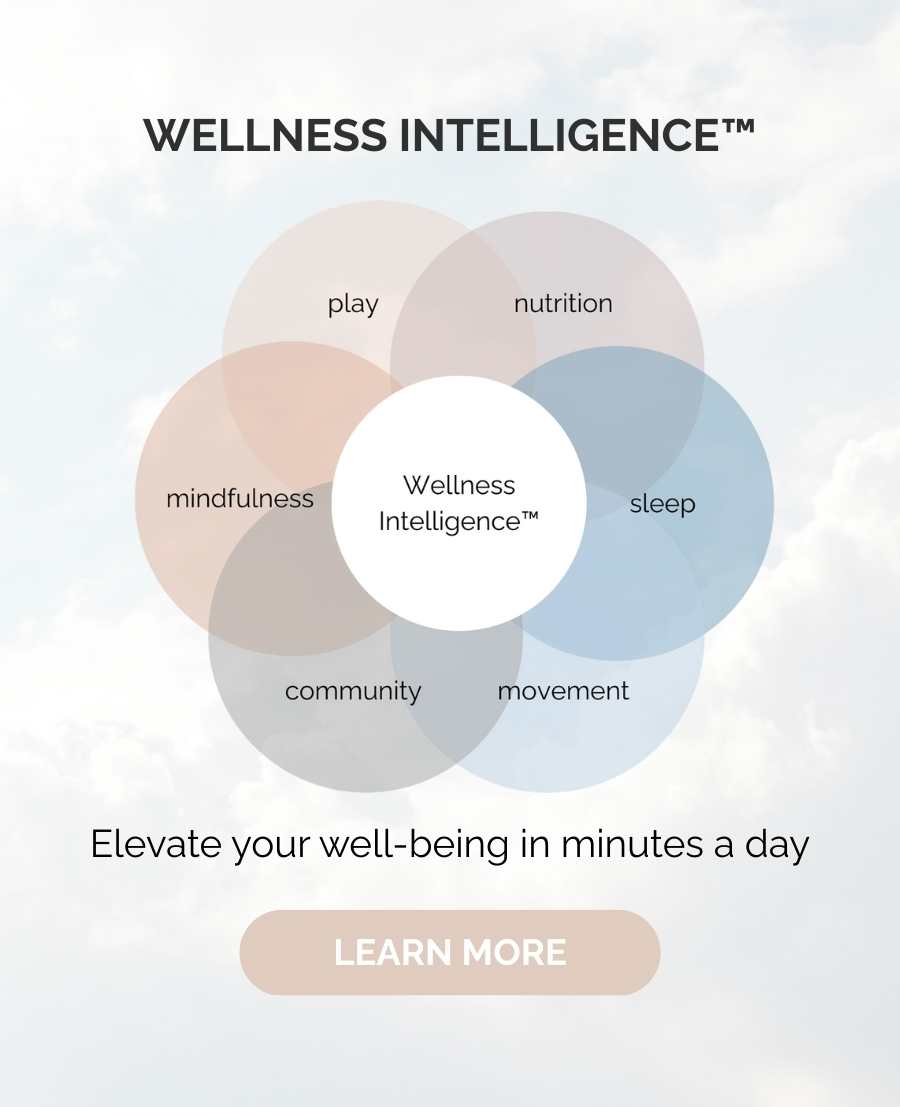
If you’re ready for more support around food, mood, and sustainable habits, one-on-one coaching or group programs can be a meaningful investment in yourself—any time of year. Guidance and accountability can help you build habits around the 6 key pillars of health and wellness that support calm, confidence, and balance long after motivation fades. Explore my Wellness Intelligence™ offerings to get started.
This article was updated since its previous publish date in August 2019.



 Order Now