
Keeping your heart healthy shouldn’t feel like another item on your already full to-do list. With the right mindset, nourishing food you actually enjoy, and realistic movement, heart health can fit into your day—often in 10 minutes or less.
When you think about cardiovascular health, what comes to mind? Long workouts? Giving up your favorite foods? Starting over on Monday?
Here’s the truth: no matter your age, schedule, or current habits, your heart deserves daily care. Heart disease remains the leading cause of death for women in the U.S., but the encouraging part is this—small, consistent lifestyle choices can make a meaningful difference, and they don’t have to be time-consuming or complicated.
Here are 10 heart-healthy habits you can practice in 10 minutes or less, even on your busiest days.
1. Eat your colors
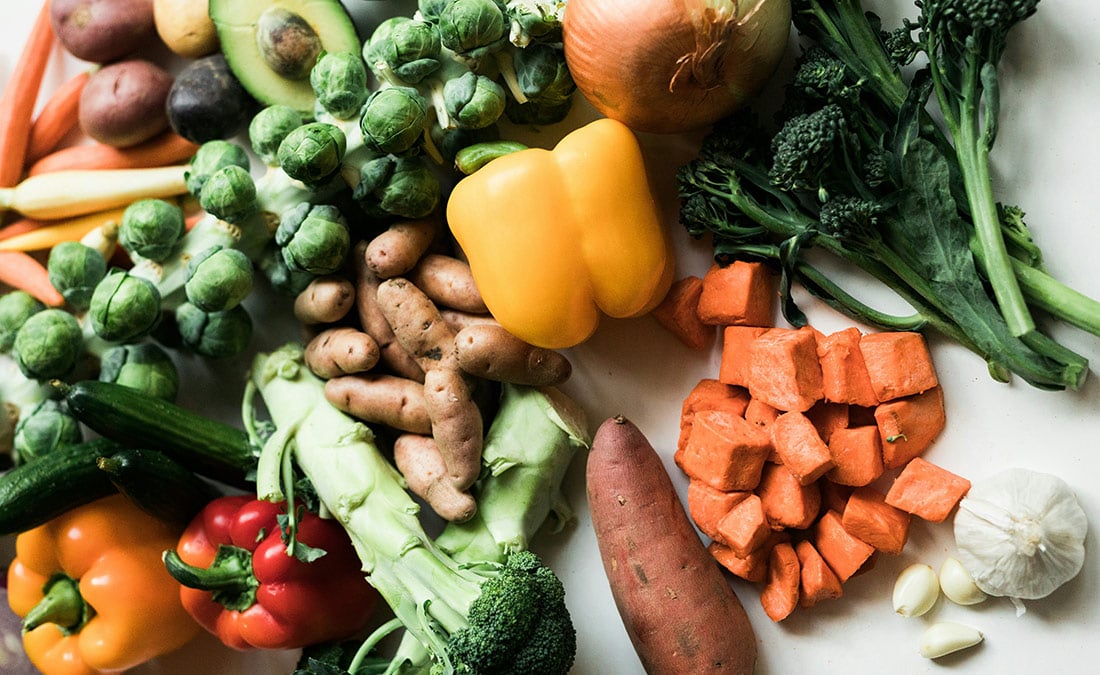
Fruits and vegetables are packed with vitamins, minerals, fiber, and antioxidants that work together to support heart health by reducing inflammation, improving blood vessel function, and helping manage cholesterol and blood pressure.
Research consistently shows that people who eat more produce—especially a variety of colors—have a lower risk of heart disease. Different colors provide different protective compounds, such as anthocyanins in berries and beets, carotenoids in carrots and sweet potatoes, and nitrates in leafy greens, all of which play unique roles in cardiovascular health.
Aim for at least three servings of different colored fruits or vegetables per day. This could look like berries in the morning, a salad or veggie-packed grain bowl at lunch, and roasted or sautéed vegetables at dinner.
2. Start with a nutrient-rich breakfast
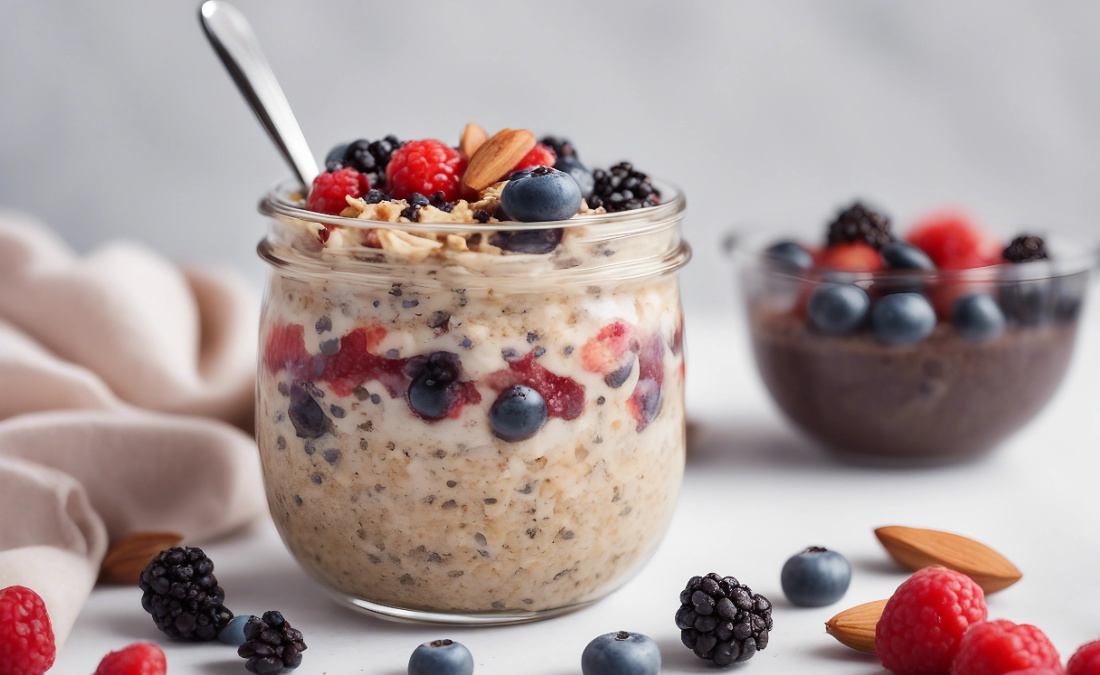
A heart-healthy breakfast built around fiber-rich foods can help support healthy cholesterol levels, steady blood sugar, and keep you feeling satisfied through the morning. Whole grains like oats or whole-wheat toast paired with fruit provide soluble fiber and antioxidants that are consistently linked with improved cardiovascular health.
For a simple, balanced approach, enjoy whole grains and fruit and round out the meal with a source of protein, such as yogurt, nuts, seeds, or nut butter. This combination comes together quickly, travels well, and gives your heart nourishing support before the day gets busy.
Try one of my high protein breakfasts for inspiration!
3. Get moving

You don’t need long or intense workouts to support heart health. Short bouts of moderate activity—like brisk walking for 10 to 20 minutes—can add up and improve cardiovascular fitness, lung function, blood pressure, and cholesterol levels.
The physical activity guidelines for Americans are:
- 150 minutes of moderate activity, OR 75 minutes of vigorous activity, OR a combination each week,
- along with muscle-strengthening activities at least two days per week.
The key is consistency, not perfection. One week may look different than the next. Simple habits—taking the stairs, parking farther away, walking during a lunch break, or doing a quick loop around the block—add up over time. Hello micro breaks! These small movement “snacks” help keep blood flowing, reduce sedentary time, and support heart health without requiring a major time commitment.
4. Go nuts
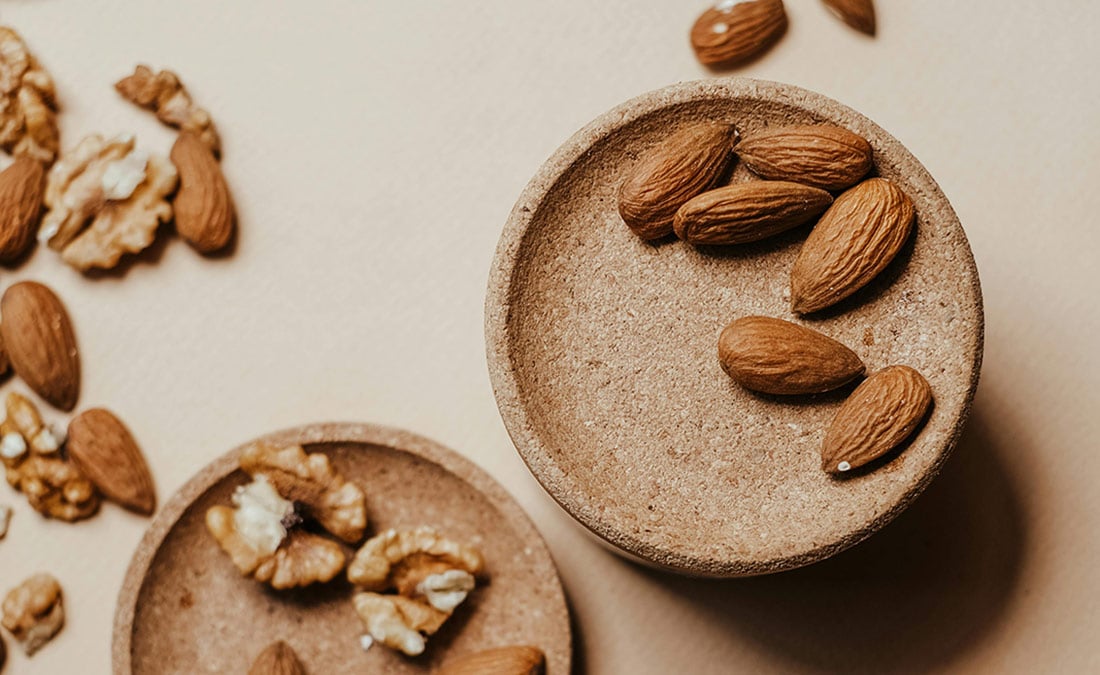
Thanks to their mix of unsaturated fats, fiber, antioxidants, and key minerals, nuts are a powerful ally for heart health. Regular nut intake has been shown to help lower LDL (“bad”) cholesterol, support healthy blood vessels, and reduce inflammation—important factors in protecting the heart. Walnuts stand out for their plant-based omega-3 fats, while almonds, pistachios, and peanuts provide magnesium and potassium to support healthy blood pressure.
A small handful of nuts makes a satisfying, heart-smart snack in place of chips or cookies. You can also add them to salads, yogurt, oatmeal, or grain bowls for easy flavor, texture, and heart-healthy fats—no extra prep required.
5. Eat more seafood
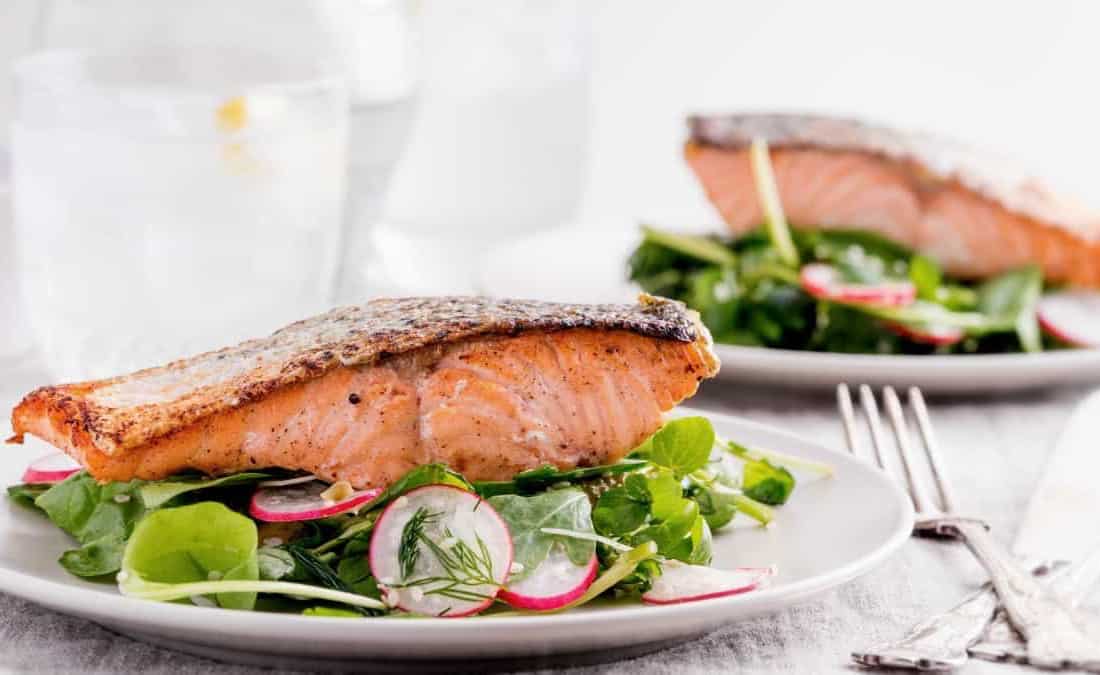
Fatty fish are one of the most powerful foods you can add for heart health. Varieties like salmon, sardines, tuna, and halibut provide omega-3 fatty acids, which research shows help lower triglycerides, support healthy blood pressure, reduce inflammation, and decrease the risk of blood clots—all key factors in protecting the heart.
For a realistic goal, aim to include seafood two to three times per week. Fresh, frozen, or canned all count, making it easy to work into busy schedules—think salmon for dinner, tuna or sardines in a salad, or a quick fish taco night. Small, consistent choices like these add up to meaningful heart health benefits over time.
Try my Pan-Seared Salmon on Arugula Salad with Tahini-Citrus Dressing.
6. Rethink sugary drinks

Sugary drinks don’t just mean soda. Sweetened coffee drinks, bottled teas, energy drinks, and flavored waters can all contain surprising amounts of added sugar, which has been linked to higher risk of heart disease and weight gain when consumed regularly. Liquid sugar is easy to overconsume and doesn’t keep you full, making it harder to support heart health over time.
A simple, heart-smart shift is to rethink what you sip most often. Choose still or sparkling water with citrus, unsweetened iced tea, or herbal tea with no sugar added. If you love coffee, enjoy it—just go lighter on syrups and sweetened creamers.
7. Build strength

Strength training is an important part of weekly physical activity—and it’s not just about building muscle. Lifting things helps support metabolism, blood sugar balance, and overall heart health by making the heart and muscles work more efficiently together. Think of it as helping your body handle everyday demands with less strain, which matters more than ever on busy, stress-filled days.
The best part? Strength training doesn’t require a gym membership or a dedicated workout block. Carrying groceries, lifting laundry baskets, doing a few squats while waiting for coffee to brew, or picking up a pair of dumbbells for five minutes all count. These small, strength-focused moments sprinkled throughout your day help maintain muscle, support circulation, and protect heart health—without adding another appointment to your calendar.
8. Practice slow breathing

Taking a few minutes each day to slow your breathing can meaningfully support heart health. Slow, deep breathing helps calm the nervous system, which can lower blood pressure, slow heart rate, and reduce stress—important for protecting the heart over time, especially on busy or high-pressure days.
Simple options include diaphragmatic (belly) breathing, paced breathing (such as inhaling for four counts and exhaling for six), box breathing, or alternate nostril breathing, where you gently block one nostril at a time as you breathe. Even two to five minutes—between meetings, before bed, or while sitting quietly—can help settle your mind and give your heart a much-needed reset.
9. Rub-a-dub-dub, scrub those hands

Flu season is tough on everyone—but it can be especially hard on your heart. Have you ever noticed that your heart rate goes up when you’re sick? That’s because illness triggers inflammation and fever, which make your heart work harder to circulate oxygen and fight infection. Even common illnesses like the flu or a bad cold can temporarily increase strain on the cardiovascular system.
That’s why simple habits like washing your hands regularly with soap and water matter more than we often realize. Preventing illness helps protect your immune system and reduces unnecessary stress on your heart.
10. Be thankful

Last but not least—and perhaps one of the most important—heart health is closely tied to how supported and connected we feel. Strong social relationships and a sense of gratitude are linked with lower stress and healthier blood pressure, while chronic loneliness, anger, and worry can quietly place extra strain on the heart over time.
Taking a moment each day to acknowledge what matters—whether that’s a meaningful conversation, shared laughter, or simple appreciation—can help regulate the nervous system and support heart health in ways food and exercise alone cannot.
How Will You Best Support Your Heart?
Heart health doesn’t have to be complicated or time-consuming. Small, consistent choices—how you move, what you eat, how you manage stress, and how connected you feel—add up over time and can make a meaningful difference. If food feels like the easiest place to start, start with these 7 heart-healthy foods.
This article has been updated from its original publish date in February 2019.



 Order Now