
If there were one small change that could support your energy, digestion, and even your mood, would you make it? For most women, that change is fiber — something 90% of women are missing every single day.
Between busy workdays, family commitments, and social gatherings, it’s easy for healthy habits to slip — especially when comfort foods and celebrations start to take center stage. Whether it’s the holidays, a packed week, or just everyday life, small choices around what we eat can make a big difference in how we feel.
That’s why I want to share a simple shift—no rigid diets, no extra meals to prep, just one small change that can help your energy, digestion, and long-term health.
But you don’t need to overhaul your life. You just need a few meaningful swaps and strategies that fit your schedule, your plate, your rhythm, with a focus on fiber. Let’s take a closer look at what fiber actually is, and how to do this.
What is Fiber?
Dietary fiber is a type of carbohydrate found in plant-based foods like fruits, vegetables, whole grains, legumes, nuts, and seeds that cannot be digested or absorbed by the body. It plays an important role in weight management, heart health, blood sugar regulation, and proper digestion. Fiber is commonly broken down into two types: soluble and insoluble.
Soluble fiber
Soluble fiber dissolves in water, making a gel-like substance that passes through the digestive system. Soluble fiber has been shown to help lower cholesterol levels in the body, which can help reduce the risk of heart disease. You can find soluble fiber in foods such as oats, beans, peas, apples, and citrus fruits.
Insoluble fiber
Insoluble Fiber does not dissolve in water and adds bulk to help the movement of material through the digestive system. This can help prevent constipation or struggles with bowel movements. Insoluble fiber can be found in foods like whole grains, nuts, legumes, cauliflower, and potatoes.
Looking for even more ways to help improve your digestion? Try these 9 other simple practices.
How Much Fiber Do You Need Each Day?
Knowing what fiber is and why it is important is one thing, but knowing how to get more of it in your diet is another. Women should aim for 25 grams of fiber per day, while men should aim for 38 grams per day, or 14 grams for every 1,000 calories. The hard reality is that 90% of women, and 97% of men don’t meet these recommendations.
10 Simple Ways to Add More Fiber
Adding more fiber to your day doesn’t have to mean a total diet overhaul. Here are 10 of my top recommendations for small, simple shifts.
1. Snack on Fruit
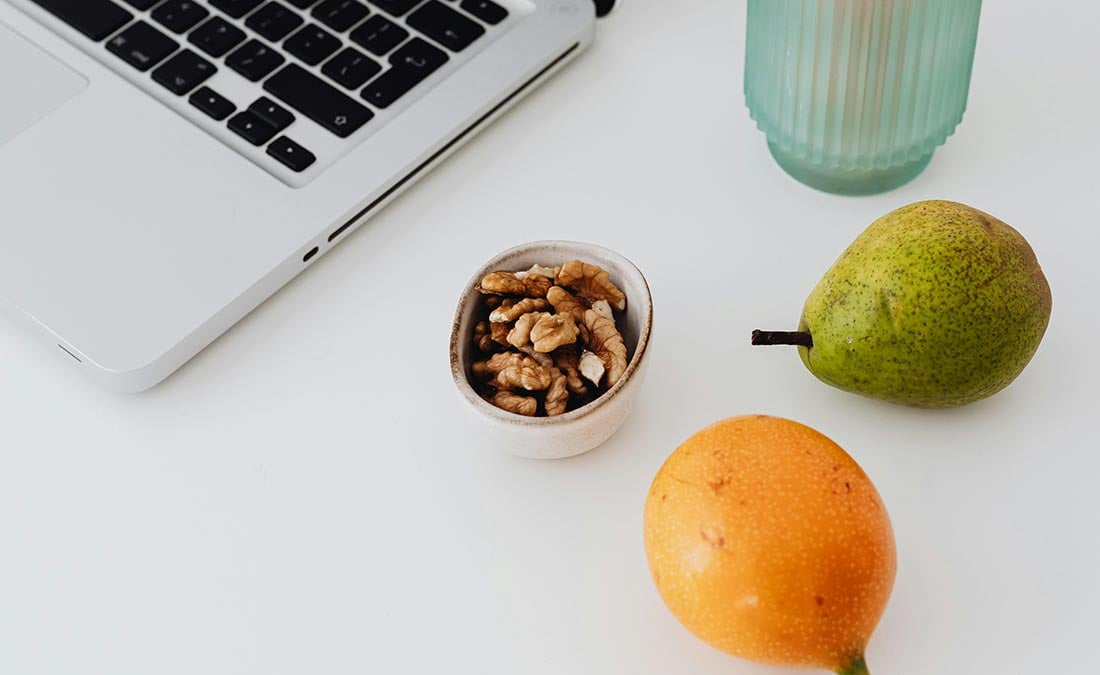
Whole fruits like apples, oranges, peaches, and bananas make it easy to get more fiber without extra effort. Keep a bowl of fruit visible on your counter or pack one in your bag before work. Pair it with a handful of nuts or a string cheese for a balanced snack. The natural sweetness helps curb cravings while supporting steady energy.
2. Do a Grain Swap
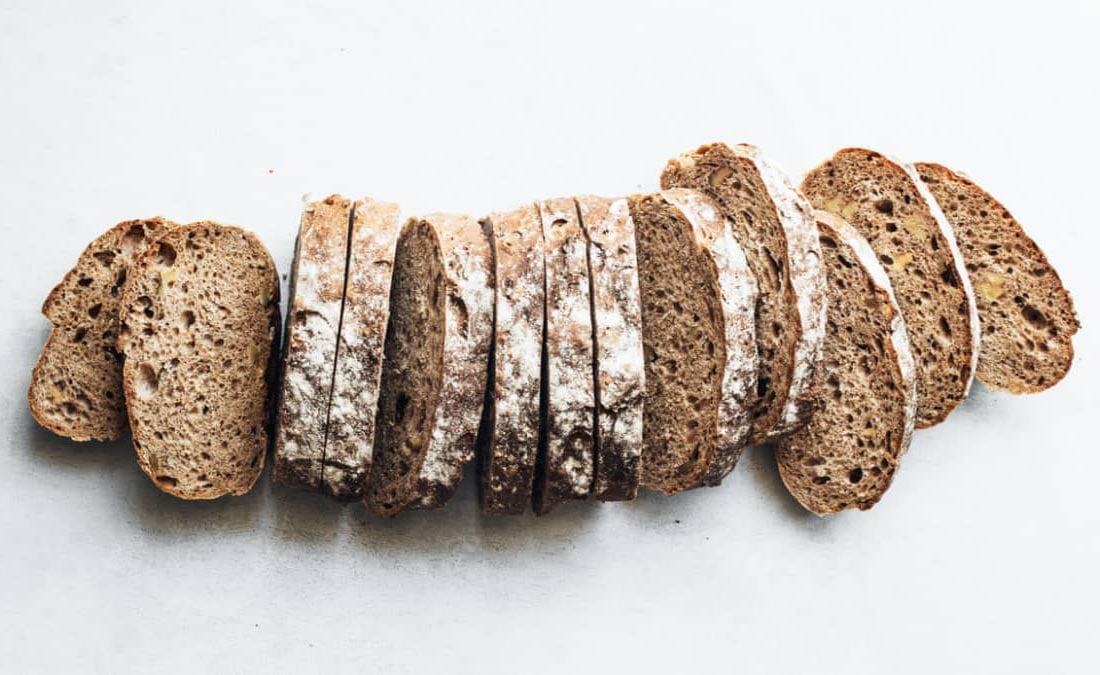
Small changes in your staples can have a big payoff. Choose 100% whole-grain or whole-wheat versions of bread, pasta, and rice instead of white. These swaps can double your fiber intake, help keep you fuller longer, and support stable blood sugar.
3. Start Your Morning with a High-Fiber Breakfast
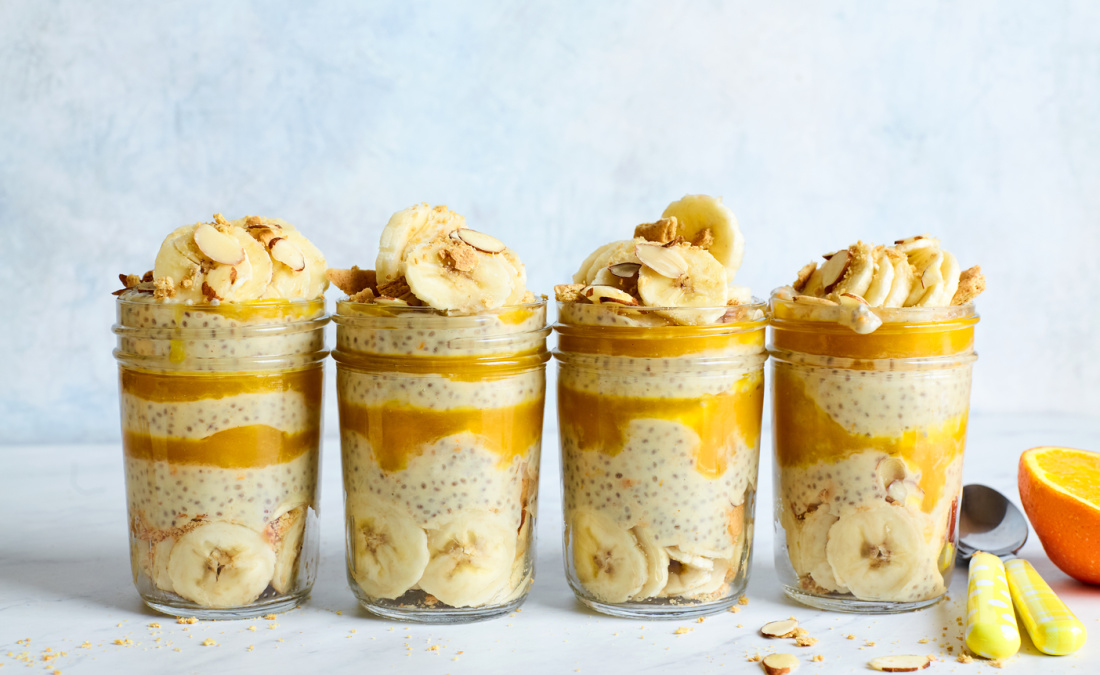
Set the tone for the day with a fiber-rich breakfast. Oatmeal with fruit, whole-grain toast with nut butter, chia seed pudding, or a smoothie blended with greens, berries, and chia seeds all provide a strong start that supports digestion and focus all morning long. Fiber also helps with satiety, keeping you satisfied for longer.
Orange Cream Pie Chia Seed Pudding
4. Include a Fruit or Vegetable at Every Meal

One of the simplest ways to boost fiber is to make produce a non-negotiable part of every meal. How can you make your plate more colorful with plant-based foods? Add berries to breakfast, a side salad at lunch, and roasted veggies or a vegetable soup at dinner. During holidays or gatherings, make sure to find a side dish of vegetables for added color. Consistency adds up over time.
5. Add Veggies to Classic Dishes

Boost the fiber and nutrients in your favorite comfort foods. Mix chopped vegetables like carrots, mushrooms, zucchini, or spinach into pasta sauces, soups, casseroles, or even stuffing. You’ll add color, texture, and long-lasting satisfaction to every bite.
Try my Orange Goddess Vegetable Minestrone
6. Level Up Your Baked Goods

Baking is a great opportunity to sneak in extra nutrients. Swap half of your white flour for whole wheat flour, or mix in psyllium husk, ground flaxseeds, or oats. These additions provide fiber without changing the texture or flavor.
Try my Almond Chamomile Cookies
7. Top Meals with Seeds or Nuts
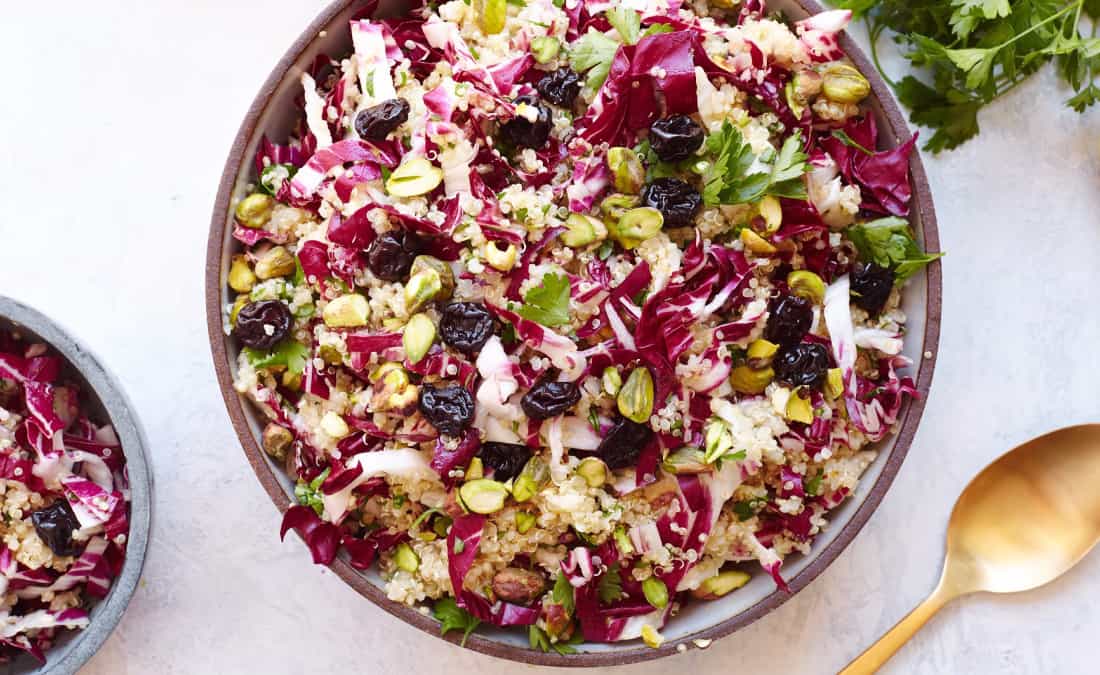
Small toppings can make a big difference. Add chia or flaxseeds to yogurt or smoothies, sprinkle almonds, pistachios, or walnuts over salads, or stir them into oatmeal. These nutrient-dense additions boost both fiber and healthy fats for lasting energy.
Try My Quinoa Salad with Radicchio Dried Cherries and Pistachios
8. Stock Your Freezer
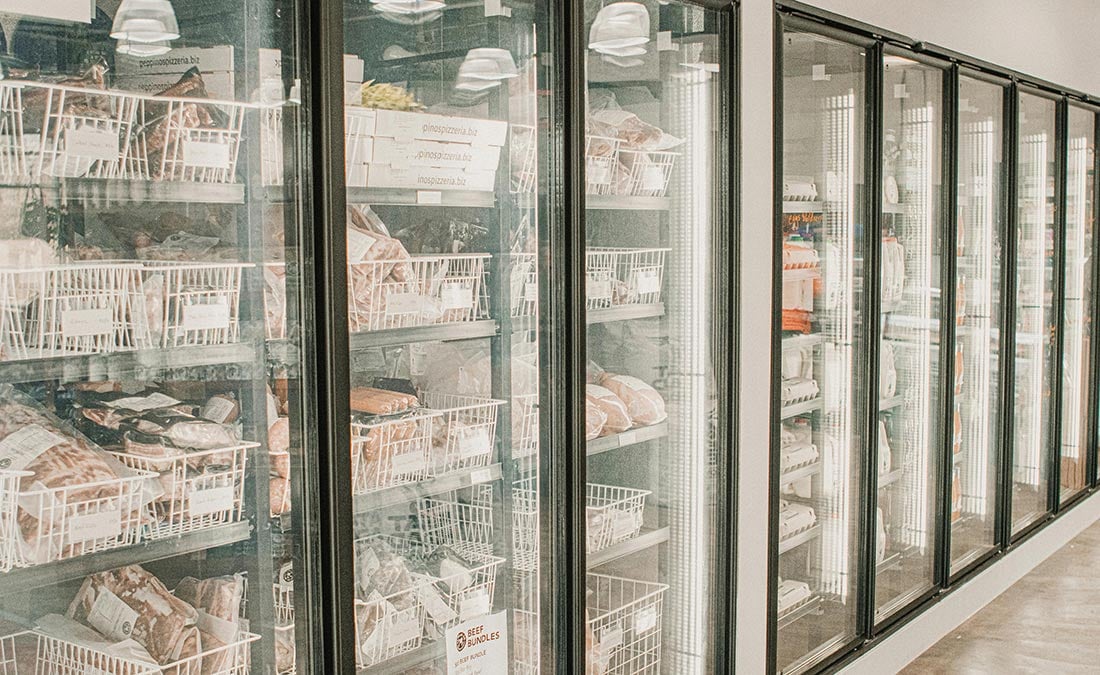 Keep your kitchen ready for quick, high-fiber meals by stocking frozen fruits and vegetables, microwavable quinoa, and brown rice. They’re just as nutritious as fresh and make it easier to build balanced meals when you’re short on time.
9. Incorporate Beans or Lentils into Soups and Salads
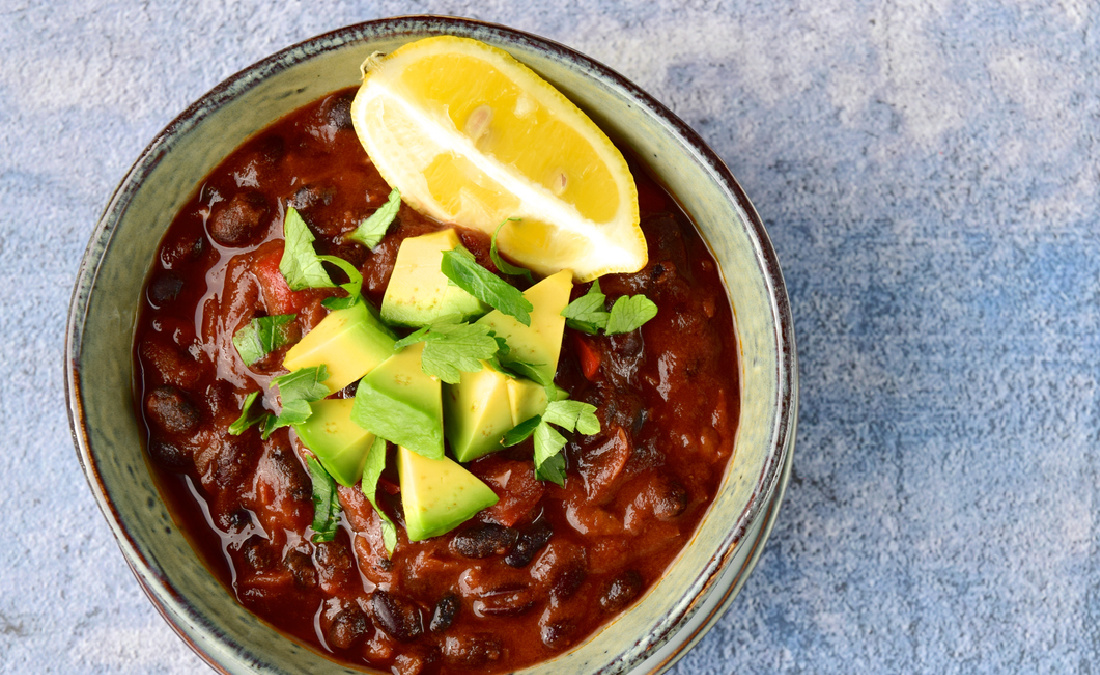
Beans and lentils are some of the most versatile, fiber-packed foods you can eat. A half-cup serving provides 6 to 8 grams of fiber — perfect for bulking up soups, salads, tacos, or grain bowls. It can be as simple as opening a can, draining, rinsing, and serving! They also deliver plant-based protein to keep you full.
Try My Black Bean Vegetable Chili
10. Choose Fruit-Based Desserts

Satisfy your sweet tooth while adding nutrition. Try baked apples with cinnamon, poached pears, or a berry crisp topped with oats and nuts. Or for another twist, make ice cream out of bananas. Fruit-based desserts naturally bring fiber, antioxidants, and less added sugar to the table.
High Fiber Foods to Add to Your Meals
Below are some suggestions of plant-based foods, along with the amount of fiber you can find in each serving.
|
FOOD |
SERVING SIZE |
GRAMS OF FIBER |
|
Chia seeds |
1 ounce (~2 tablespoons) |
10 |
|
Acorn squash |
1 cup, cooked |
9 |
|
Lentils |
½ cup, cooked |
8 |
|
Split peas |
½ cup cooked |
8 |
|
Artichoke |
1 medium, cooked |
7 |
|
Navy or white beans |
½ cup, cooked |
7 |
|
Chickpeas |
1/2 cup, cooked |
6 |
|
Kidney Beans |
1/2 cup, cooked |
6 |
|
Pear |
1 medium |
6 |
|
Whole-wheat spaghetti |
1 cup, cooked |
6 |
|
Avocado |
1/2 medium California |
5 |
|
Collard greens |
1 cup, cooked |
5 |
|
Apple |
1 medium (3″ diameter) |
4 |
|
Beets |
1 cup, raw |
4 |
|
Blackberries |
1/2 cup fresh |
4 |
|
Oats |
1/2 cup, uncooked |
4 |
|
Raspberries |
½ cup fresh |
4 |
|
Sweet potato |
1 medium, with both flesh and skin |
4 |
|
Almonds |
1 ounce, or 22 almonds |
3 |
|
Wheat bran |
2 tablespoons |
3 |
|
Orange |
1 medium |
3 |
|
Sweet cherries |
1 cup fresh, without pits |
3 |
|
Banana |
1 medium fresh |
3 |
|
Nectarine |
1 medium, fresh |
2 |
|
Asparagus |
½ cup, cooked |
2 |
Source: USDA FoodData Central
Sample Day of Meals and Snacks: Fiber Edition
(Approx. 27–30 grams of fiber)
Wondering what this looks like in a normal day? Here are sample meals and snacks and their fiber amounts.
BREAKFAST: HIGH-FIBER START (8–9 grams)
Oatmeal with Berries and Chia
- ½ cup dry old-fashioned oats (4 g fiber)
- 1 tablespoon chia seeds (5 g fiber)
- ½ cup raspberries or blackberries (4 g fiber)
- Dash of cinnamon and a drizzle of milk or yogurt
MID-MORNING SNACK: SIMPLE AND SATISFYING (3–4 grams)
Apple with Almond Butter
- 1 medium apple (4 g fiber)
- 1 tablespoon almond butter (1 g fiber)
LUNCH: BALANCED AND QUICK (7–8 grams)
Grain Bowl or Salad with Lentils
- 1 cup mixed greens and chopped vegetables like carrots, peppers, and tomatoes (3 g fiber)
- ½ cup cooked lentils (8 g fiber)
- ½ cup cooked quinoa (2.5 g fiber)
- Olive oil and lemon dressing
AFTERNOON SNACK: GRAB-AND-GO (3–4 grams)
Greek Yogurt with Berries and Flaxseed
- ½ cup low-fat Greek yogurt
- ½ cup blueberries (2 g fiber)
- 1 tablespoon ground flaxseed (2 g fiber)
DINNER: COMFORTING AND NOURISHING (6–7 grams)
Salmon, Roasted Vegetables, and Sweet Potato
- 4 oz baked or grilled salmon
- 1 cup roasted Brussels sprouts or broccoli (4 g fiber)
- 1 small baked sweet potato, with skin (4 g fiber)
Finding Balance Through Small Shifts
Life moves in seasons — some structured, some hectic, some full of celebration. Through them all, the habits that support your energy and well-being don’t have to be complicated. Adding more fiber-rich foods is one simple way to stay balanced, nourished, and grounded no matter what’s on your calendar.
Want more guidance on creating lasting wellness habits that fit your life? Explore Wellness Intelligence™ to discover how simple changes can help you thrive in every season.
This article has been updated from the previous publish date of March 2020.



 Order Now